


Aging Electrical Infrastructure: The Hidden Risks Behind Modern Losses


After years of examining electrical fires across Canada, one idea keeps returning to me. New electrical systems tend to shout when something is wrong. Older systems barely whisper. Their warning signs are faint and easy to miss, and those quiet signs often go unnoticed until the damage is already underway.
Old Wiring in a New Electrical World
Many Canadian homes and buildings were constructed when electrical demand looked very different from today. A typical home built in the 1960s to 1980s was not supporting high‑draw space heaters, multiple screens, chargers in every room or devices that run around the clock.
Those older systems are still expected to work every day, but decades of thermal cycling, mechanical fatigue and increased loading eventually expose weaknesses. Most of the failures we investigate do not happen instantly. They develop quietly until one moment pushes them past the limit.
Case Study: A Morning Routine That Did Not End as Expected
One investigation from this past winter involved a tidy 1980s single‑family home. The wiring matched what I would expect for that era, and the electrical system looked normal at first glance. The fire originated in a teenager’s bedroom.
Throughout the cold months, she used a portable space heater each morning. It was
part of her daily routine. Same outlet, same heater, same process.
One morning, she was running late and only half-opened the window curtains. The tall decorative curtains rested closer to the wall receptacle than usual.

When she plugged in the heater, the receptacle did not grip the plug properly. Its internal spring clips had weakened after decades of use. The plug sat partially exposed, but there was no sound, no spark and nothing to suggest a problem.
A resistive connection began to heat at the plug. The trim of the decorative curtain brushed against the plug ends, and a brief short circuit produced enough heat to ignite the lightweight fabric. The fire climbed the curtain, reached the header and spread upward before anyone in the house smelled smoke.
The heater was not defective. The system was not overloaded. The circuit breaker tripped but didn’t prevent the fire. The root cause was a worn receptacle that no longer held a plug securely, combined with a curtain that drifted just close enough.
The failure was simple, quiet, and preventable.
The Overlooked Weak Link: Receptacle Wear
Receptacles are one of the most underappreciated parts of a home’s electrical system. Inside every one of them are small spring‑type retention claws that grip the blades of a plug. These springs weaken slowly with each use. After thirty or forty plus years, they often have very little tension left.
When the tension is weak, the plug connection becomes resistive. Resistive connections create heat. Heat breaks down insulation. Insulation failures lead to arcing. Arcing leads to ignition.
Many people see the early signs but do not recognize them:
plugs that slide out easily
warmth at the plug end after the device has been running
intermittent operation of heaters or appliances
faint crackling or sparking when adjusting a plug
These are not minor inconveniences. They are early warnings that the receptacle has reached the end of its safe service life.
The Bigger Picture: Aging Systems Under Strain
Receptacles are only one part of the story.

Across older buildings, I regularly see symptoms of electrical aging that are subtle but significant:
loose or heat‑stressed breaker lugs or circuit breakers
insulation that has become stiff or brittle
neutral bars showing signs of long‑term overheating
grounding components affected by corrosion
mismatched or incompatible equipment from past renovations
None of these issues occur in a single moment. They accumulate quietly over years. Modern electrical loads simply accelerate the process.
Why This Matters for Investigators, Insurers and Legal Teams
Aging electrical systems add complexity to every loss investigation. Failures often involve a combination of age, load, installation quality and user behaviour.
Determining responsibility is rarely straightforward.
Understanding how these systems degrade helps all parties assess cause, liability and preventable factors with more clarity.
A Simple Call to Action for Everyone
Every homeowner, tenant, contractor and investigator should take a moment to examine the receptacles they rely on. This applies to both 120-volt and 240-volt devices.

Ask yourself:
Does a plug feel loose when inserted?
Does the cord feel warm at the plug?
Does anything flicker, spark or crackle when adjusting it?
Is a heavy or high‑draw appliance hanging at an angle from the outlet?
If the answer is yes, the receptacle should be replaced. A few dollars and a few minutes of maintenance can prevent a serious fire.
Closing Thoughts: Listening for the Whisper
Every electrical fire in an older building begins with a story that usually starts long before the ignition point.

A story of gradual wear, heavier loads and small changes that no one sees. Older electrical systems rarely announce their problems loudly.
They give off small clues. They offer tiny hints. They whisper.
If we make a habit of listening for those whispers, we can prevent many of the losses that reach our desks, our labs and our courts.
Sometimes, all it takes to hear the whisper is noticing that a plug no longer feels as tight as it used to.
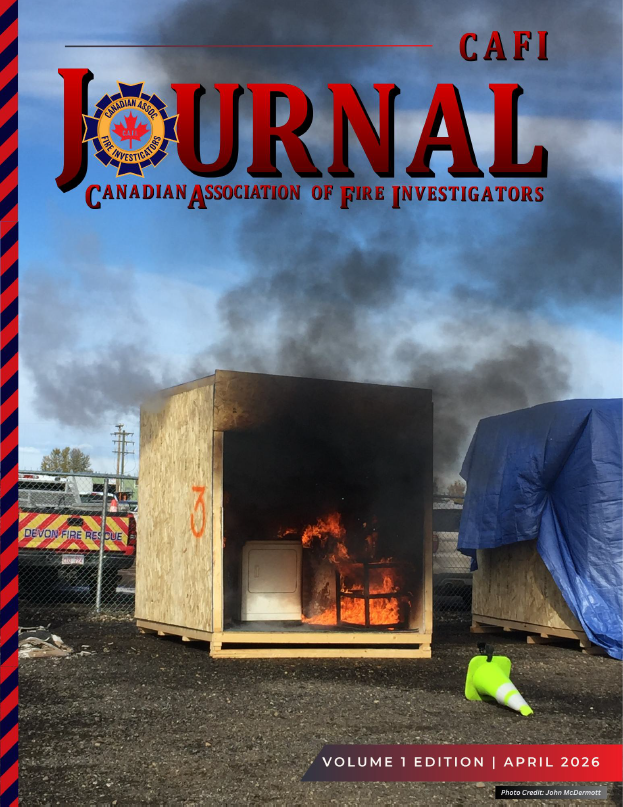
This article was published in the April 2026 edition of the Canadian Association of Fire Investigators (CAFI) Journal.


Comments